
At Spanish Vines Senior Living, we recognize how difficult it can be to care for someone with dementia. Because the disease is progressive, there may come a time when the home environment is no longer safe, and memory care becomes essential.
Memory care enhances daily living for individuals with cognitive impairments by providing secure environments, predictable routines, and specialized cognitive therapies. Their tailored care programs minimize anxiety, reduce the risk of wandering, and assist with personal care, empowering residents to maintain autonomy, dignity, and quality of life in a supportive setting.
Memory care offers dual benefits: it provides specialized services to individuals and fosters peace of mind for their families. Here’s how memory care improves residents’ daily lives.
Predictable Routines
Dementia and other cognitive conditions affect a person’s ability to feel a sense of familiarity in daily life. Their day often begins with confusion and may end with agitation. What they need is a daily structure that can help them maintain a good quality of life. To combat this confusion and related issues, memory care introduces residents to structured, predictable routines. These are often based on their past lives and current stage of dementia.
By following these routines, residents find a sense of familiarity and avoid the cognitive strain they might otherwise experience. Unpredictability causes distress, while predictability brings confidence and calm. Knowing what to expect during the day helps minimize the cognitive load of decision-making and fosters coherence. Repeating the same tasks daily, such as brushing their teeth or eating at the same table, helps residents form good habits. To help them maintain maximum independence and dignity, the staff gently guides residents through their day. They allow them to maintain control of their lives without feeling overwhelmed and to experience a high quality of life.
Specialized Assistance
Unlike assisted living, memory care has specialized, trained staff that supports residents with various daily living essentials. They offer specialized, structured assistance that helps individuals with dementia maintain their independence, dignity, and quality of life. However, all of this is done with care and consistency. The specialized assistance provided includes activities like music therapy, art, and reminiscence exercises. These help stimulate brain function, reduce agitation caused by boredom, and give residents a renewed sense of purpose.
Residents live in secure environments with features like wander-prevention systems, clear signage, and fall-reduction layouts. These elements create a safe, navigable space that maximizes residents’ freedom to explore and move. The staff uses special communication techniques, such as redirection and validation, in situations where residents exhibit frustration and other challenging behaviors. Moreover, as part of active health management, residents receive personalized care plan assistance, developed through ongoing assessments, to help them maintain a high quality of life tailored to their evolving needs.
Safe Environments
Individuals with dementia face serious risks such as falls, accidents, and wandering, which can even become life-threatening. To stay safe, they need specialized living environments that keep them secure. This is what memory care communities are designed to offer. They offer an enhanced living environment by balancing features like physical security with spatial independence. The specialized, safe environment is designed to minimize confusion, reduce the risk of accidents, and support them in living safely.
Key design elements of these safe and secure spaces include alarmed doors, 24/7 monitoring, and enclosed outdoor courtyards. These features allow residents to move, explore, and get outdoors safely without risking their safety or getting lost. Circular walkways, color-coded hallways, and visual cues like memory boxes help residents navigate easily without feeling frustrated. To foster a more comfortable and convenient daily life, sensory optimization is implemented.
Cognitive And Social Engagement
Dementia fundamentally affects a person’s cognitive functioning. It impairs their ability to live a normal life and even engage in social activities. This means the individual now faces dual risks—cognitive decline and related health risks due to limited social opportunities. To support this, memory care offers much-needed cognitive stimulation and opportunities for social engagement.
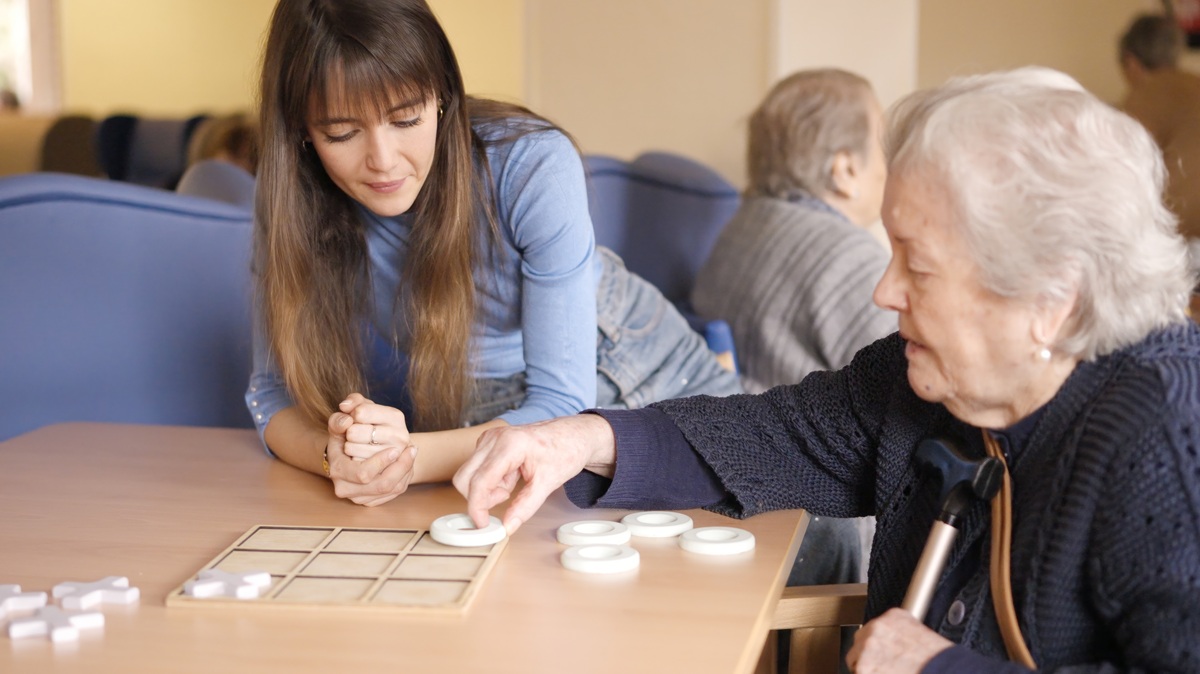
Targeted activities such as puzzles, memory games, and music therapy help keep residents’ brains active. This helps delay the onset of severe dementia symptoms. Completing even simple, purposeful tasks boosts a resident’s self-esteem and fosters a sense of accomplishment. For social engagement, communities organize group discussions, book clubs, and communal dining to prevent loneliness from speeding up cognitive decline. Conversing, laughing, and interacting with peers helps residents combat stress and reduce the likelihood of behavioral symptoms.
Regular Family Involvement
A family’s role in their loved one’s well-being doesn’t end when they complete the move to memory care. It simply evolves, allowing family members to step back from constant caregiving and focus on being loved ones again. That means instead of being continuously involved in overwhelming, tiring caregiving responsibilities, the family can now sit back and support their loved one emotionally.
The community organizes regular family meet-ups on special occasions where they celebrate together. Seeing familiar faces helps residents feel calmer and less anxious, fostering a sense of safety. Just a single conversation with a loved one can help with memory recall, where they can discuss positive memories. With these regular visits, families can strengthen their emotional bond with their loved one.
Spanish Vines Senior Living—Memory Care That Balances Independence And Personalized Care
At Spanish Vines Senior Living, we understand that dementia can make daily life unpredictable. The disease’s progression impairs an individual’s daily functioning and affects their quality of life. For individuals facing these challenges, memory care is the best option that ensures their overall well-being. These communities offer personalized care and promote joy, connection, and everyday wellness. A move to memory care not only helps individuals access professional care but also improves quality of life.
Those seeking a reliable memory care community can contact us at Spanish Vines Senior Living. With our person-centered care programs, we provide quality care for residents and reassurance for families. To enrich residents’ lives, we offer a range of amenities that help them maintain a high quality of life. To learn more about our premier memory care community, you can schedule a tour.


